How to Vet Football Kit Listings on eBay, Vinted & Depop
Jump to section
Secondhand marketplaces like Vinted, eBay, Depop, and Facebook Marketplace can be treasure troves for football shirt collectors, but they also come with risk. Many fakes, remakes, or misrepresented kits are sold either unknowingly or deceptively. This guide walks you through how to vet listings before making a purchase.
Start with the photos
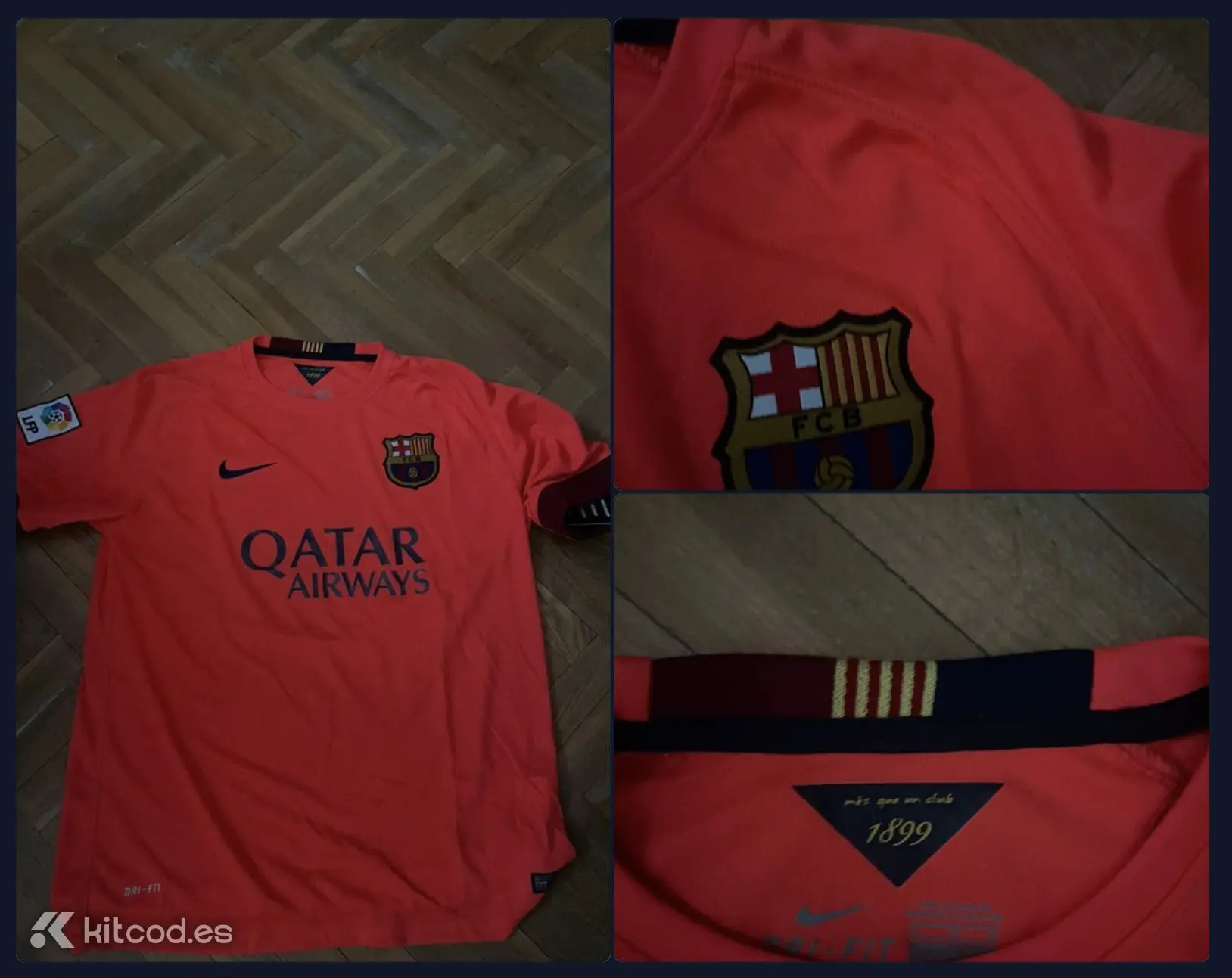
Clear, high-quality photos are your first line of defense when assessing a secondhand kit listing. Of course, not every seller will have a professional camera or the latest phone, but the content of the photos matters more than the quality alone.
- Close-ups of tags including the neck label, wash label, and product code
- Full front and back images of the shirt
- Sponsor logos, club crests, and Nike branding
- Texture details, showing embroidery or heat-pressed elements up close
If a listing uses stock photos only, or worse includes no tag photos at all, that's a major red flag. Always feel free to message the seller and request additional images. A genuine seller should be happy to provide them. These images give you the information you need to start verifying the shirt's authenticity.
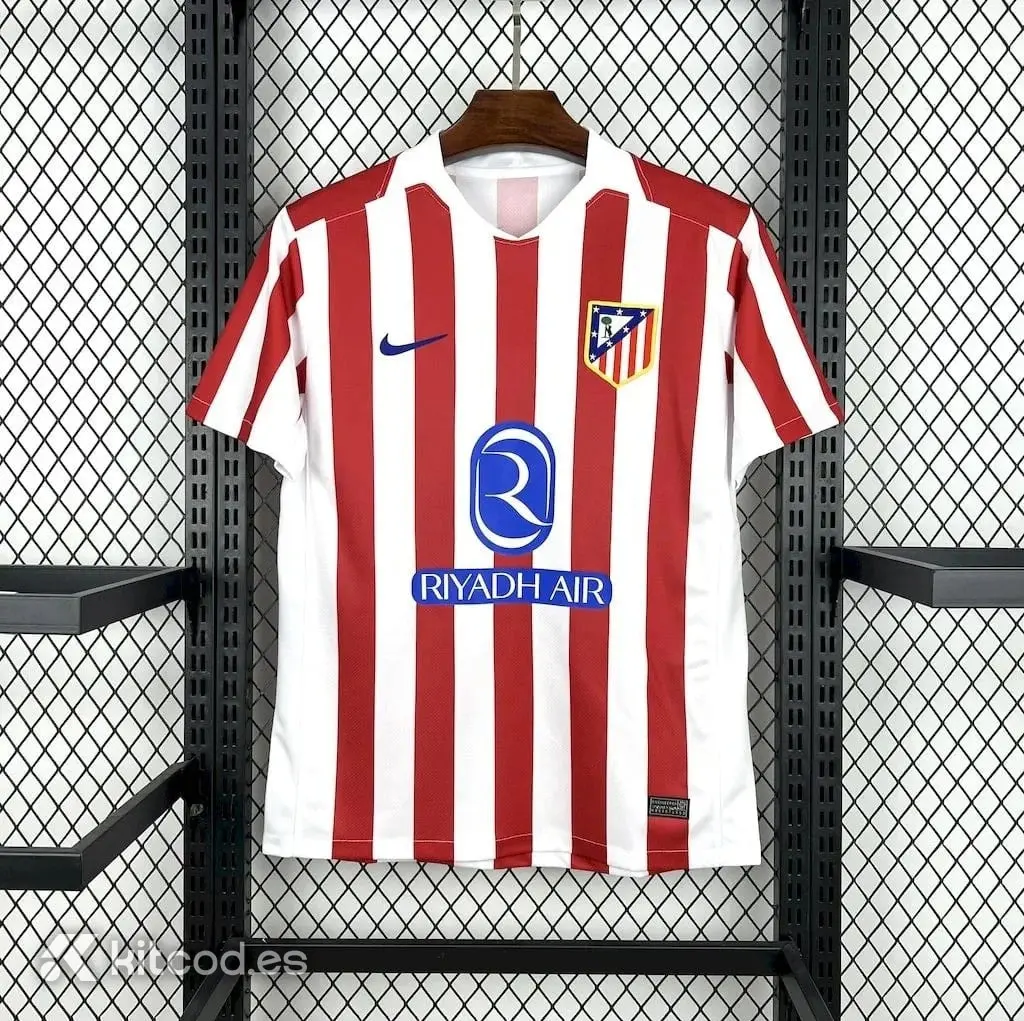
Beware of "The Cage"
"The cage" refers to a specific type of metal grid or mesh backdrop often seen in photos of fake football kits, especially on resale platforms and in bulk listings from counterfeit-focused sellers, frequently based in Asia. While not an official term, collectors have widely adopted "the cage" as shorthand for this setup.
If you come across a listing using this kind of backdrop, it's usually best to steer clear. It's strongly associated with mass-produced fakes and is rarely (if ever) used by genuine individual sellers.
Consistency in pictures
Make sure all the photos in a listing are consistent, taken in the same setting, with the same lighting, angles, and background. If the images vary noticeably in quality, lighting, or even editing style, the seller may be using photos taken from other listings or sources.
To check if the images are original, try running a reverse image search using tools like Google Images or TinEye. If the same photo appears in multiple listings from different sellers, there's a strong chance it wasn't taken by the person selling the shirt, and that's a major red flag.
Check the product code
If the seller includes a product code:
- Run it through kitcod.es or Google to see what kit it corresponds to
- Make sure the code aligns with the club, season, and type of shirt being sold
- Be cautious if the code looks correct, but the design or sponsor doesn't match
Remember: even valid product codes can appear on fakes. Always cross-reference the visual details. You can use our various guides to further determine authenticity if the product code lines up but you're still having doubts.
Ask questions
A legitimate seller should be happy to answer your questions. Evasive answers or inconsistent details are clear warning signs.
- Where was the shirt purchased?
- Is it a player issue or fan version?
- Any damage, peeling, or alterations?
- Can they confirm the size tag or year of production?
Check seller details
Be cautious with brand-new sellers or those with very limited history, especially if the price seems too good to be true. Platforms like eBay or Vinted usually include:
- Seller ratings
- Past buyer feedback
- Number of items sold
If it's too good to be true
A rare shirt at a bargain price? A long sold-out kit in perfect condition with tags, from a brand new seller? These things can happen, but often they don't. If something feels off or the deal seems unusually good, take a step back. Trust your instincts, double-check the details, and don't be afraid to walk away. Scammers rely on urgency and excitement. Your patience is one of your best tools as a buyer.