Why Fake Kits Hurt the Hobby
Jump to section
Ever considered buying a fake shirt? Well... Fakes undermine collectors, fund criminal networks, and erode the trust that holds this hobby together. Here's why cutting corners on a kit should never be worth it.
The deal that's too good
A brand-new Lamine Yamal shirt for thirty euros. A "rare" Fiorentina retro kit for even less. The listings are everywhere: Vinted, Facebook, eBay, Depop. Brand new, with tags, in every size, and at a price tag a fraction of the actual cost.
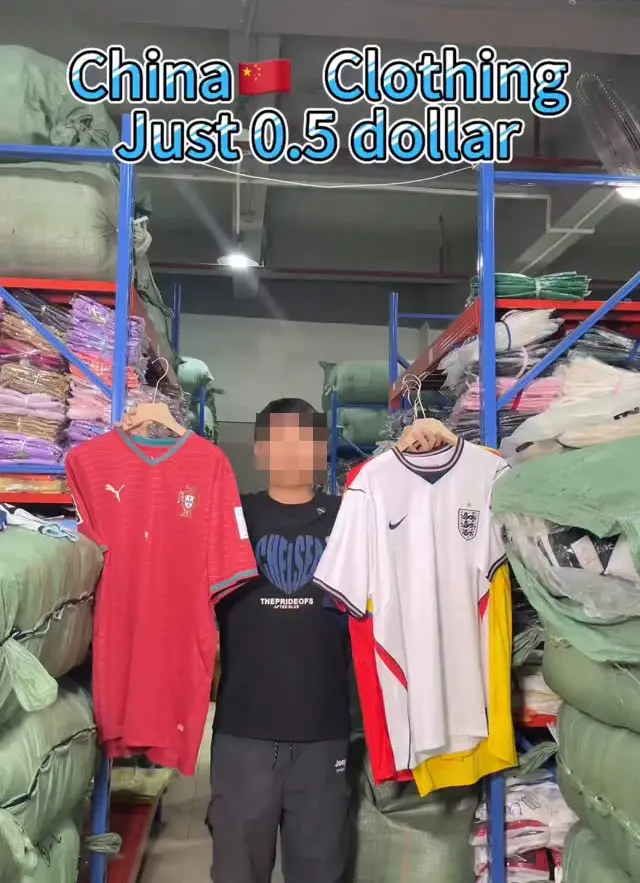
If that sounds fishy to you, that's probably because it is. This shirt you found didn't just slip through someone's fingers or end up in the wrong warehouse somehow. What you're looking at is a counterfeit product manufactured in a Chinese factory and marketed via middlemen to benefit from the difference between buyer expectation and reality.
Where the money really goes
A lot of research has been done on this topic, and the result seems pretty clear. The counterfeit kit industry is tied directly to organized crime. Europol investigations have linked counterfeit goods operations to drug trafficking and money laundering networks. The profits don't go to some scrappy underdog undercutting big business. They go to criminal organizations.
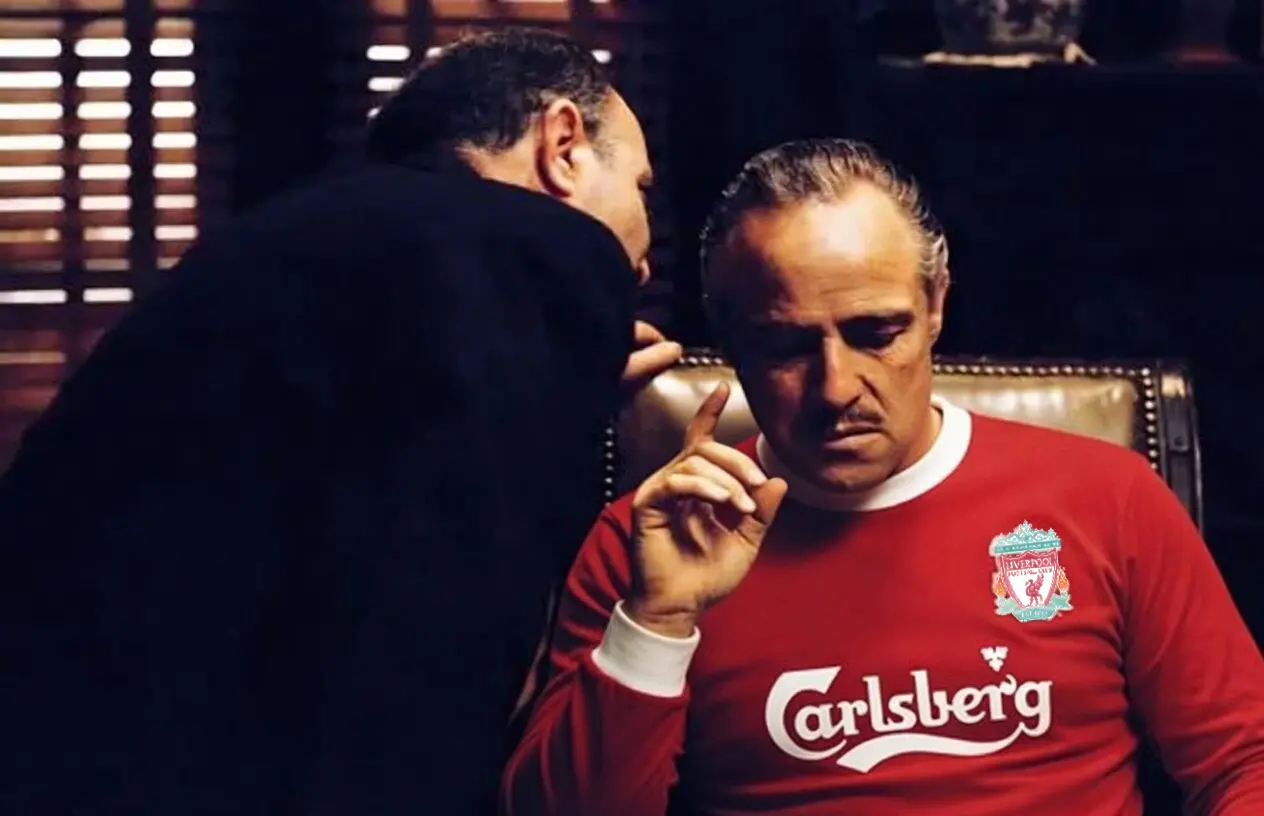
The production side isn't any cleaner. Counterfeit factories operate outside regulated supply chains. There is no accountability for working conditions, labour practices, or environmental impact. Recognized manufacturers have to follow strict production regulations. Counterfeiters don't, and that's exactly how they keep costs down.
Finally, counterfeit goods avoid any taxation whatsoever. Governments don't get VAT and income tax revenue from them, and legitimate businesses (whether that's the brand in question, the club, or independent sellers in smaller shops) suffer because they cannot compeste with a black market playing by no rules.
Quality that doesn't survive the first wash
The reasons mentioned above might already be enough to make you think twice, but let's say it isn't. None of the above concerns you and you just want to look good repping your favorite team. Does the shirt actually hold up?
Hardly. Materials are where counterfeiters cut the deepest corners. It's the most expensive part of producing a shirt, so it's the first thing to go. This results in subpar fabric quality, weaker stitching, and prints that deteriorate rapidly after the first couple of washes. Colors run. Bobbles appear. Threads come loose. What looked passable on arrival falls apart fast.
The attention to detail just isn't there. There is no big R&D department that comes up with new technologies to make these kits effective in handling your sweaty armpits. Pick up two of the same fake and you'll spot differences between them, before you even compare them to the real thing. Counterfeiters have optimized the entire process for volume, not accuracy. "Good enough from a distance" is the quality standard. This is also why, for now, product code labels are still a great way to spot these fakes.
A collector's worst enemy
We are collector's, and since you're reading this you probably are as well. And for collector's one thing is clear:
Fakes have zero resale value.
The secondhand market for football shirts is booming, and collectors are getting better at spotting counterfeits every day. We hope to contribute to that ourselves with everything we do here at kitcod.es. However, a fake doesn't appreciate in value. It doesn't become a collector's item.
Worse, fakes erode trust across the entire market. When counterfeits are nearly indistinguishable from originals, and some of them are getting scarily close, every transaction becomes suspect. Buyers hesitate. Sellers have to prove themselves harder.
A lot of the sellers on second-hand platforms won't tell you it's a fake. They will either use terms that are kept vague like "retro" or "replica" when they mean to say fake. Investigative reporting has also uncovered middlemen flat-out marketing counterfeits as "original" and "rare" on popular platforms. Buyers who don't know the going rate for a genuine shirt can be misled without ever realizing it. Even after receiving the product, some people remain convinced they got the real deal.
Some are done looking the other way
It's not just collectors who are fed up. Brands like Adidas ramped up legal efforts, suing nearly 120 websites selling counterfeit merchandise in 2024 alone. The message is clear: the tolerance for fakes is shrinking.
And it should. A lot of hard work, design thinking, and heritage goes into every official shirt. And sure, not every shirt will end up being an instant classic, some shirts miss the mark for collectors entirely. But when the market floods with cheap imitations, it devalues that effort and tarnishes the brands behind it. If someone sees a shoddy knockoff falling apart after a year they're not going to get any response from the factory that cut every corner.
The legal side
Buying and selling counterfeit goods isn't a grey area. Selling counterfeit branded goods is illegal in the UK, the EU, and most other markets. Importing them, even for personal use, can result in customs seizure and fines.
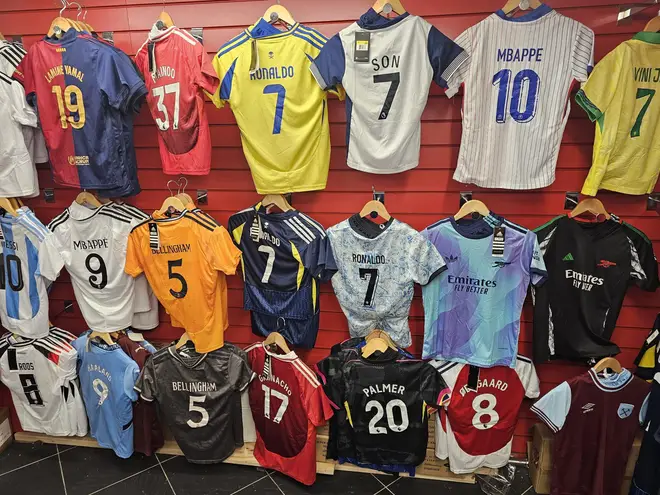
Middlemen operating on platforms like Vinted technically violate the terms of service of those platforms. But enforcement is inconsistent at best. Some admitted in response to a journalistic investigation that it relies primarily on user reports to catch counterfeit listings, and doesn't actively search for them. That means the fakes stay up until someone flags them. And even then, with all the indicators out there for everyone to see, they might not "violate the terms and conditions".
Protecting yourself
The best defense is knowing what to look for.
- Check the product code. Modern shirts from Adidas, Nike, and Puma carry internal codes you can verify. Run them through kitcod.es to see if the code matches the kit being sold.
- Inspect the details. Materials, stitching, tags, sponsor placement, compare them to official reference images.
- Buy from trusted sources. Club shops, official brand stores, and reputable retailers are your safest bet. For secondhand, stick to sellers with verifiable track records.
- Trust the price. While bargains are always going to be around on second-hand platforms, the general rule of thumb stillIf a shirt retails for a hundred euros and someone's offering it for thirty, you already know the answer.
Start with the code, and you'll catch the vast majority of fakes before they ever reach your door.